what metals are used in dentistry Alloy metals dentistry types
As we all know, dentistry has come a long way since the days of wooden teeth and pliers. These days, dental procedures are performed with advanced technology, cutting-edge materials and an emphasis on patient comfort. One area that has seen significant advancements is the use of metals in dentistry. Let’s take a closer look at the different types of metals commonly used in dentistry, their benefits and costs. First and foremost, it’s important to understand that metals have been used in dentistry for decades due to their strength and durability. Some of the most commonly used metals in dental procedures include gold, silver, nickel, chromium, and titanium. Gold is one of the most popular metals used in dentistry. Its malleability makes it easy to mold and shape into dental restorations like crowns and bridges. In addition, it’s biocompatible, which means it won’t irritate your body’s tissues. However, due to its rarity and high value, gold dental restorations can be costly. Silver, otherwise known as amalgam, has been used in dentistry for over 150 years. It’s durable, strong, and fairly inexpensive compared to other metals. However, its silver color can make it less desirable for visible dental restorations. Nickel is often used in combination with other metals to create a variety of alloys. It’s strong and resists corrosion, but some people may have an allergic reaction to it. Chromium is another metal commonly used in dental alloys. It’s often combined with other metals to create a strong, corrosion-resistant material that is well-suited for dental restorations. Finally, titanium is a metal that has become increasingly popular in dentistry due to its biocompatibility and strength. It’s often used in dental implants to replace missing teeth and provide a permanent solution for patients. While metals have many benefits in dentistry, it’s important to note that some patients may have allergic reactions to certain types of metals. It’s always important to discuss any allergies or sensitivities with your dentist before undergoing any dental procedures. Overall, the use of metals in dentistry has come a long way and continues to evolve with advancements in technology. If you’re in need of dental restorations or implants, talk to your dentist about the best options for your unique needs and budget.
If you are looking for Metals in Dentistry | Alloy Types, Costs, Biocompatibility you’ve visit to the right place. We have 5 Images about Metals in Dentistry | Alloy Types, Costs, Biocompatibility like Metals in Dentistry | Alloy Types, Costs, Biocompatibility, Precious Metals and Dentistry, Dental metal refining in New York and also Metals in Dentistry | Alloy Types, Costs, Biocompatibility. Here it is:
Metals In Dentistry | Alloy Types, Costs, Biocompatibility
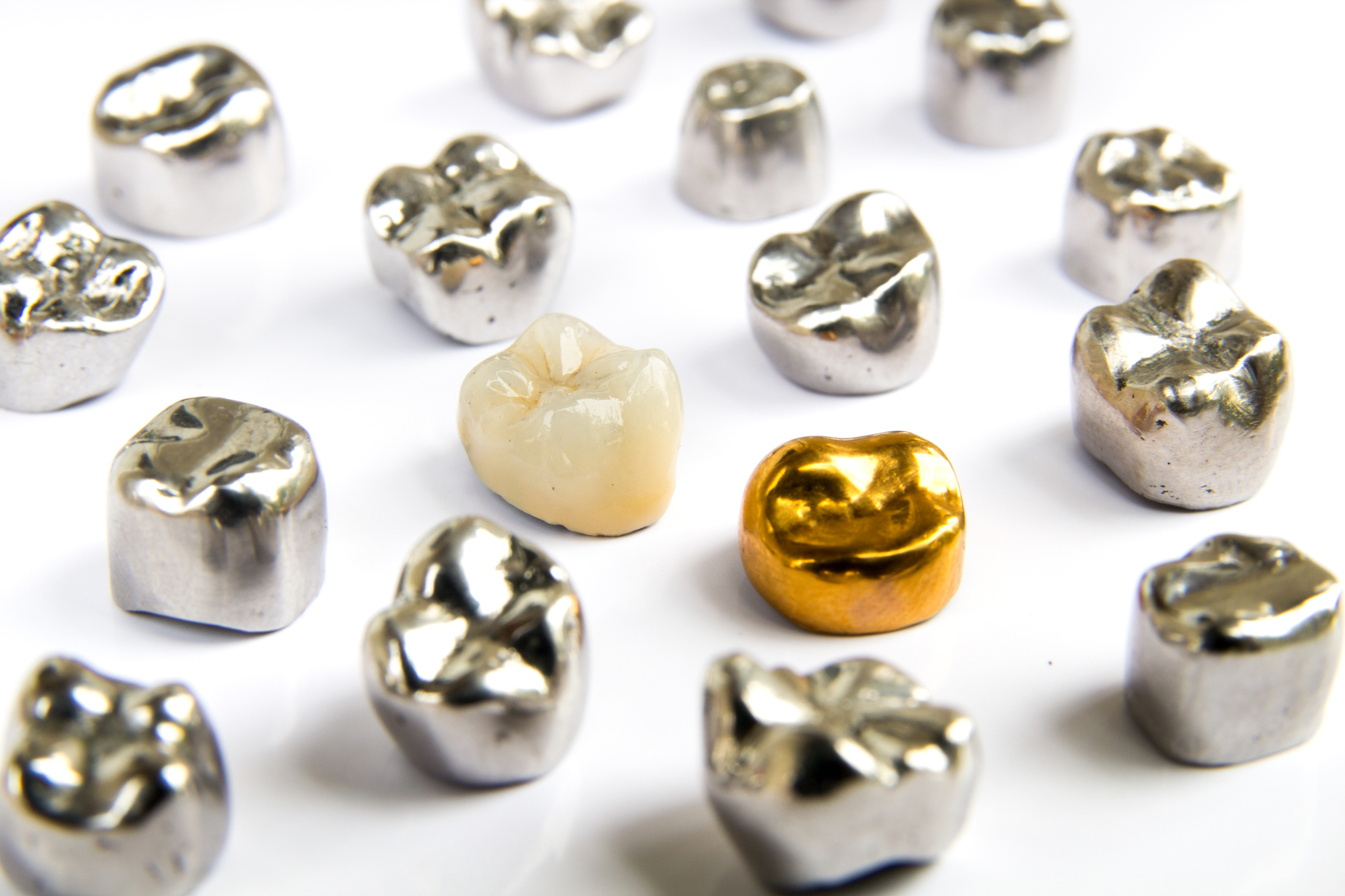 lakeforestdentalarts.comalloy metals dentistry types
Dentistry (metals)
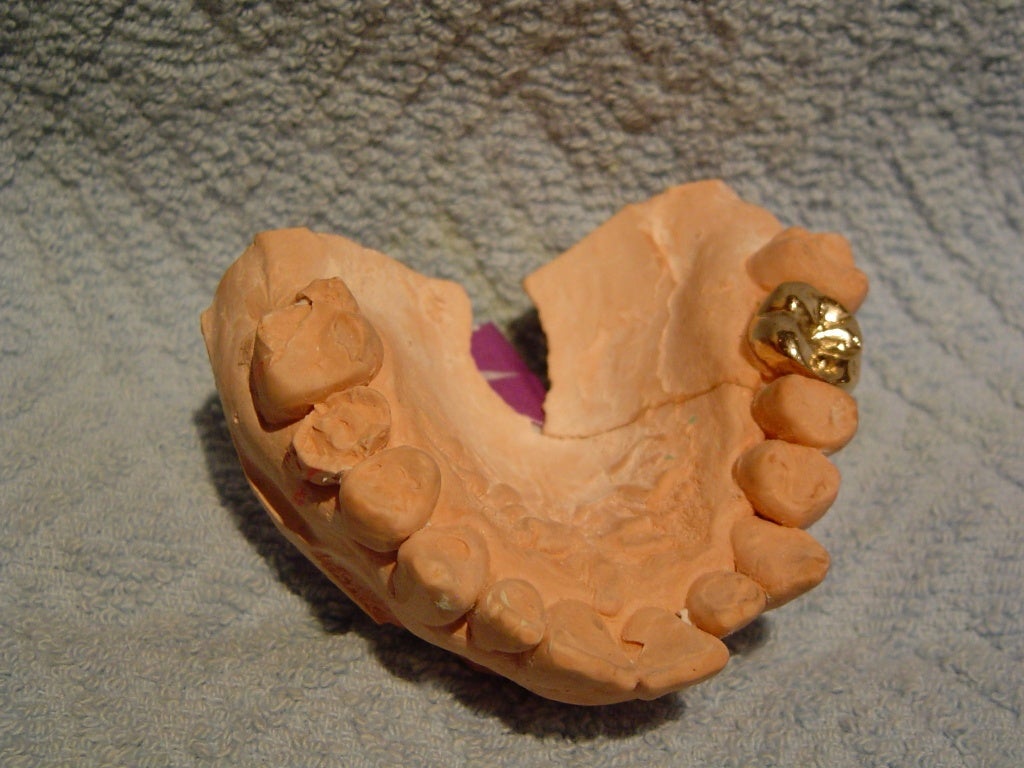 www.slideshare.netdentistry metals
Dental Alloys - Noble Metal Solutions
 www.noblemetalsolutions.comdental prosthodontics partial dentures alloys metals implant teeth noble metal dentistry partials denture saddle retained cremation post tooth provides nms
Precious Metals And Dentistry, Dental Metal Refining In New York
 refinemax.commetals dentistry refining
Components Of Dental Materials
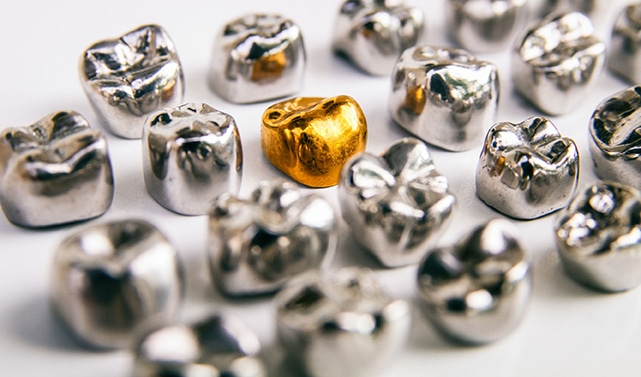 thesmartchoice.comdental crown metal materials crowns tooth components gold lay flat background isolated zirconia complete guide dentistry tulsa listed need dreamstime
Metals dentistry refining. Dentistry (metals). Dentistry metals